With the advances now available in Book Bolt Studio’s newer story-creation features, it’s easier than ever to generate a children’s story quickly. But the part that still benefits most from a human hand is intent: choosing story elements that have survived for centuries because they map cleanly to how kids actually experience the world.
That’s why villains matter.
Not because children “need” darkness—but because a good antagonist gives a child’s big, confusing feelings a shape. And when that shape is timeless, your story doesn’t just work once. It endures.
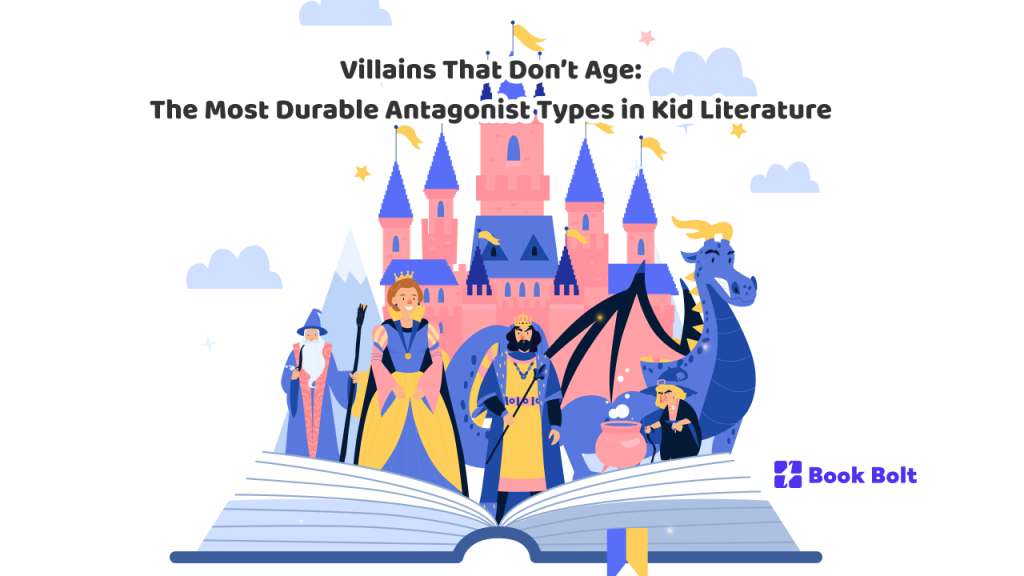
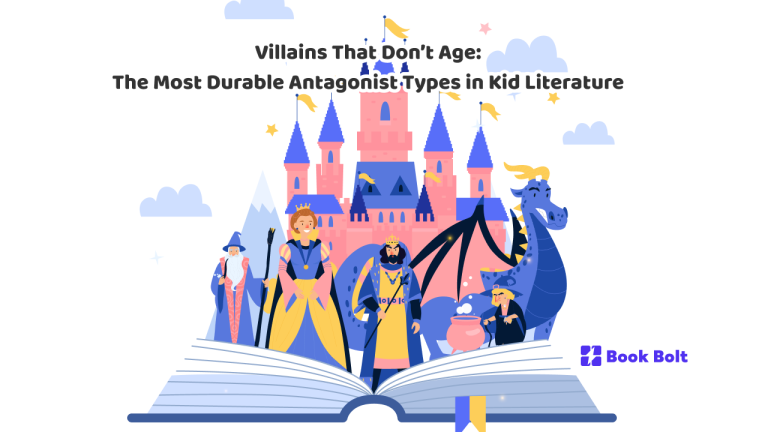
Let’s talk about the villain types that don’t age: the ones that keep showing up in great kids’ stories, across cultures, because they’re basically emotional archetypes in costume.
Why some villains never die
Kids don’t think in abstract philosophy. They think in:
- fairness / unfairness
- safety / danger
- trust / betrayal
- belonging / exclusion
- “I can” / “I can’t”
The best villains in kid lit are readable. Their danger is clear. Their rules are simple. And the story gives the child a way through—often by bravery, cleverness, kindness, or asking for help.
Here are the antagonist types that tend to last forever.
1) The Devourer
Core fear: “Something bigger can swallow me up.”
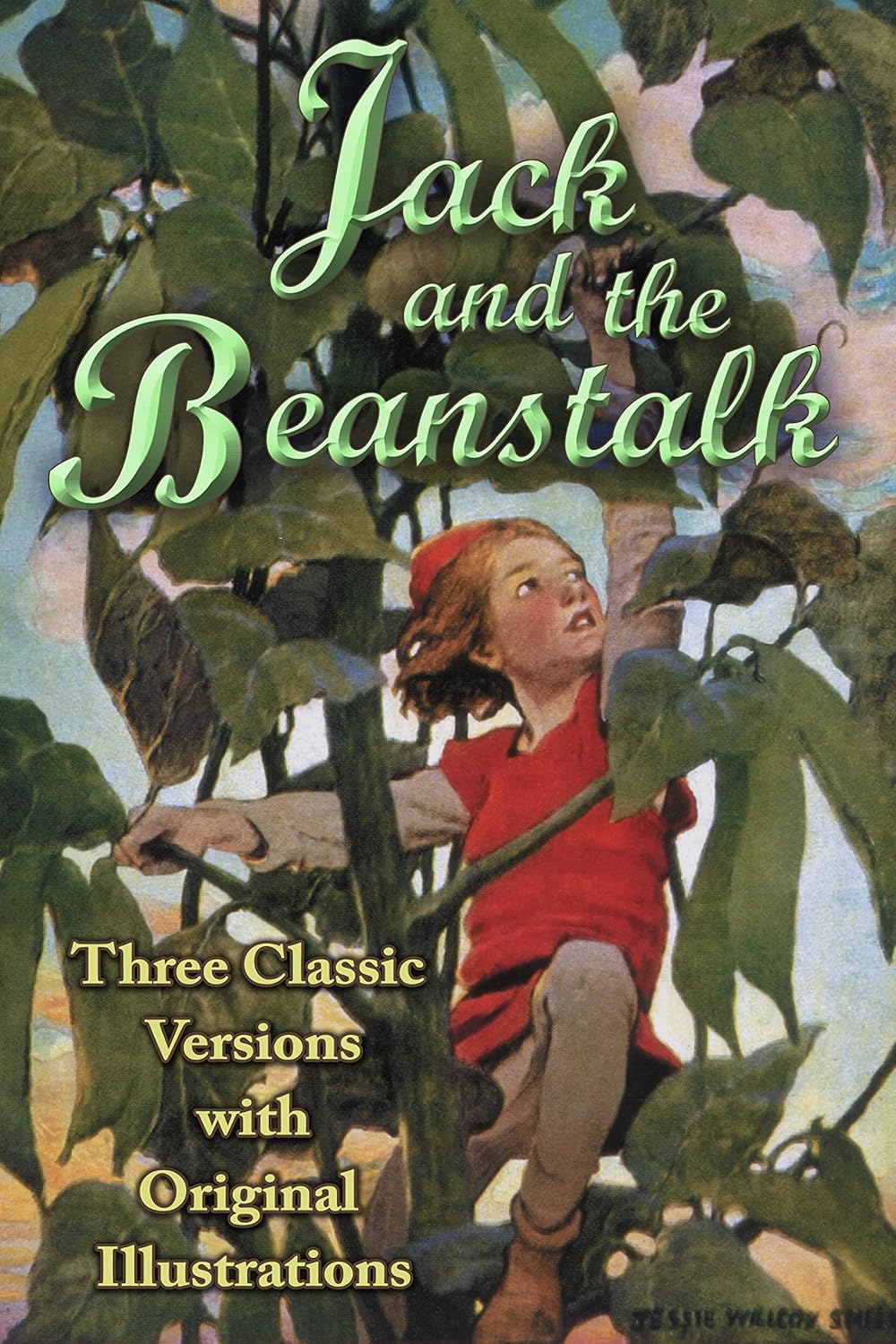
This villain is pure appetite: the wolf, the giant, the monster under the bed. It works because it’s simple and primal. For little kids especially, “being eaten” is a symbolic shorthand for:
- being overwhelmed
- losing control
- being powerless
How to use it well:
Make the threat real—but the rules clear. And give the child an action that matters (escape, outsmarting, calling help).
2) The Deceiver
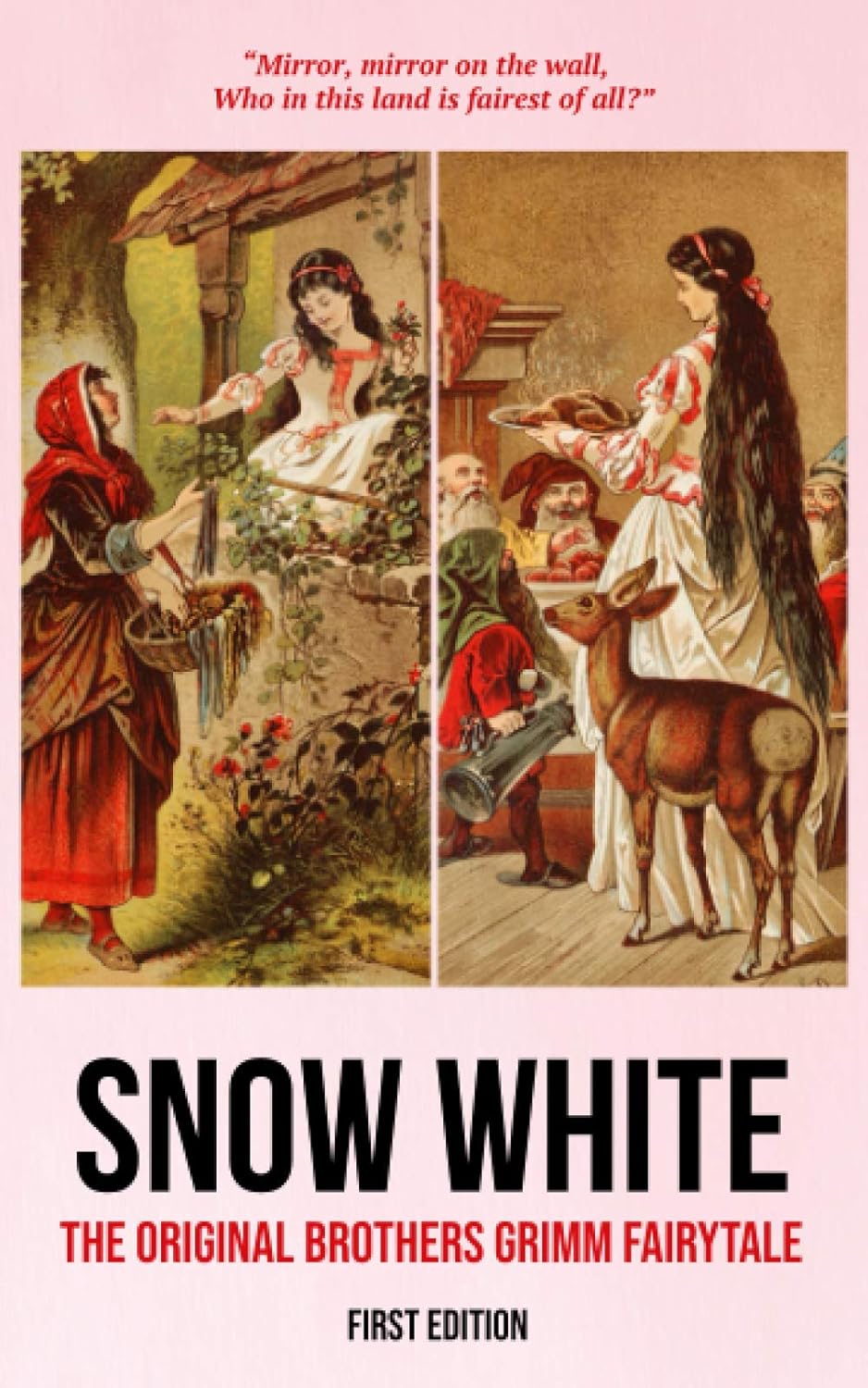
Core fear: “I can’t tell what’s safe.”
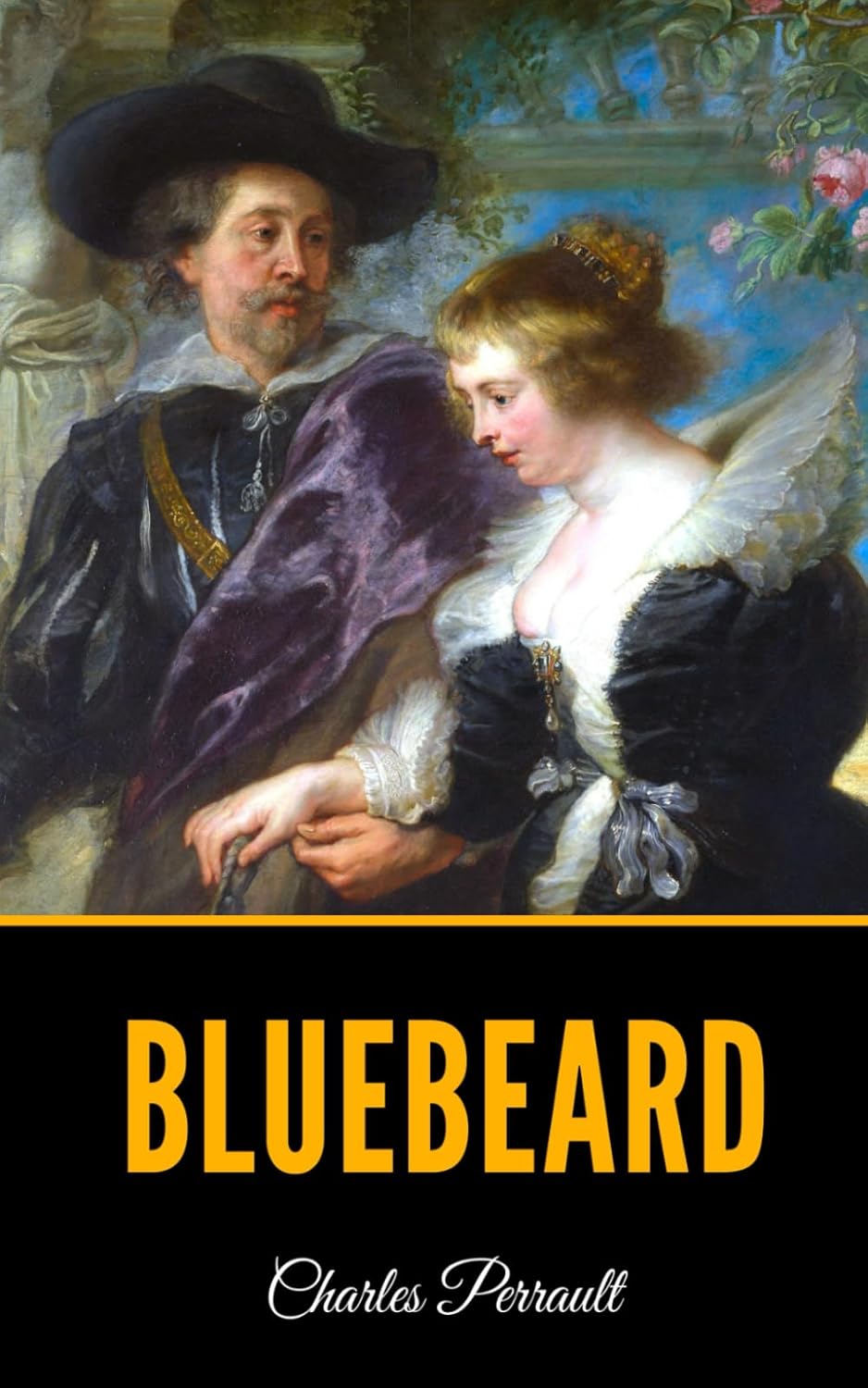
This villain lies, tricks, imitates, flatters. Sometimes it’s charming. Sometimes it looks helpful. That’s the point.
This is an evergreen antagonist because kids are constantly learning:
- who to trust
- how to spot manipulation
- that “nice” isn’t always safe
How to use it well:
Let the child learn a simple truth: trust your gut, notice patterns, ask an adult. Don’t make it cynical—make it clarifying.
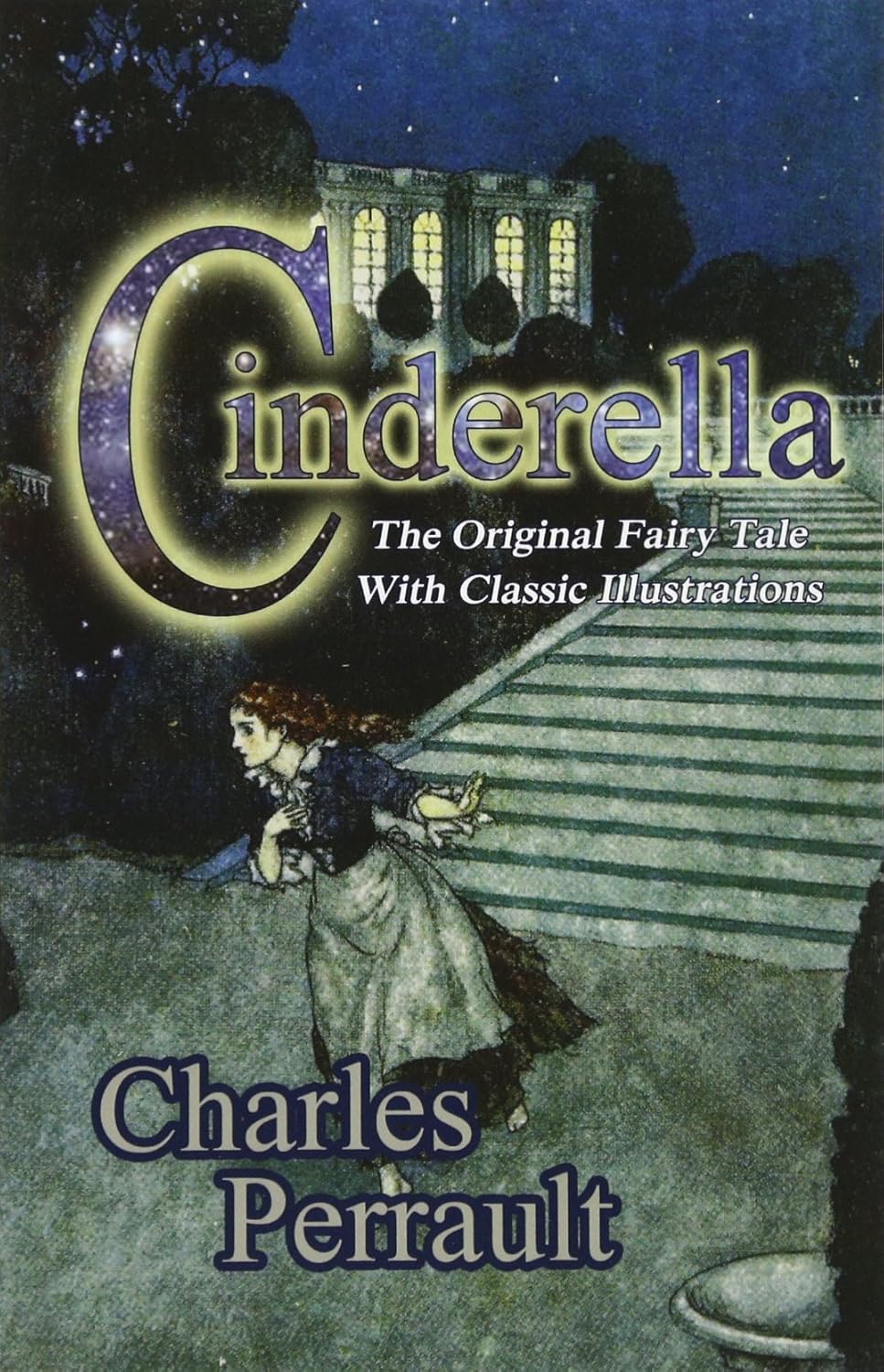
3) The Rule-Enforcer
Core fear: “If I mess up, I’ll be punished.”
This is the strict teacher, the harsh queen, the “no mistakes allowed” adult, the unforgiving system. Kids feel this fear early—sometimes in healthy ways (“boundaries exist”), sometimes in painful ways (“I’m bad if I fail”).
This villain lasts because it mirrors real life: rules, expectations, consequences.
How to use it well:
The story shouldn’t teach “rules are evil.” It should teach:
- fairness matters
- compassion matters
- perfection isn’t the price of love
4) The Jealous Rival
Core fear: “There isn’t enough love / attention / belonging.”
Jealousy is one of the earliest and strongest kid emotions. Rival villains embody:
- comparison
- exclusion
- “you’re taking my place”
Sometimes this villain is a sibling-ish character, sometimes a friend, sometimes a creature guarding territory.
How to use it well:
This type shines when it transforms. The jealous rival can become:
- a friend
- a helper
- or at least someone understood
Kids need stories that show jealousy can be handled—not just punished.
5) The Temptation Vendor
Core fear: “I want it… but it’s not good for me.”
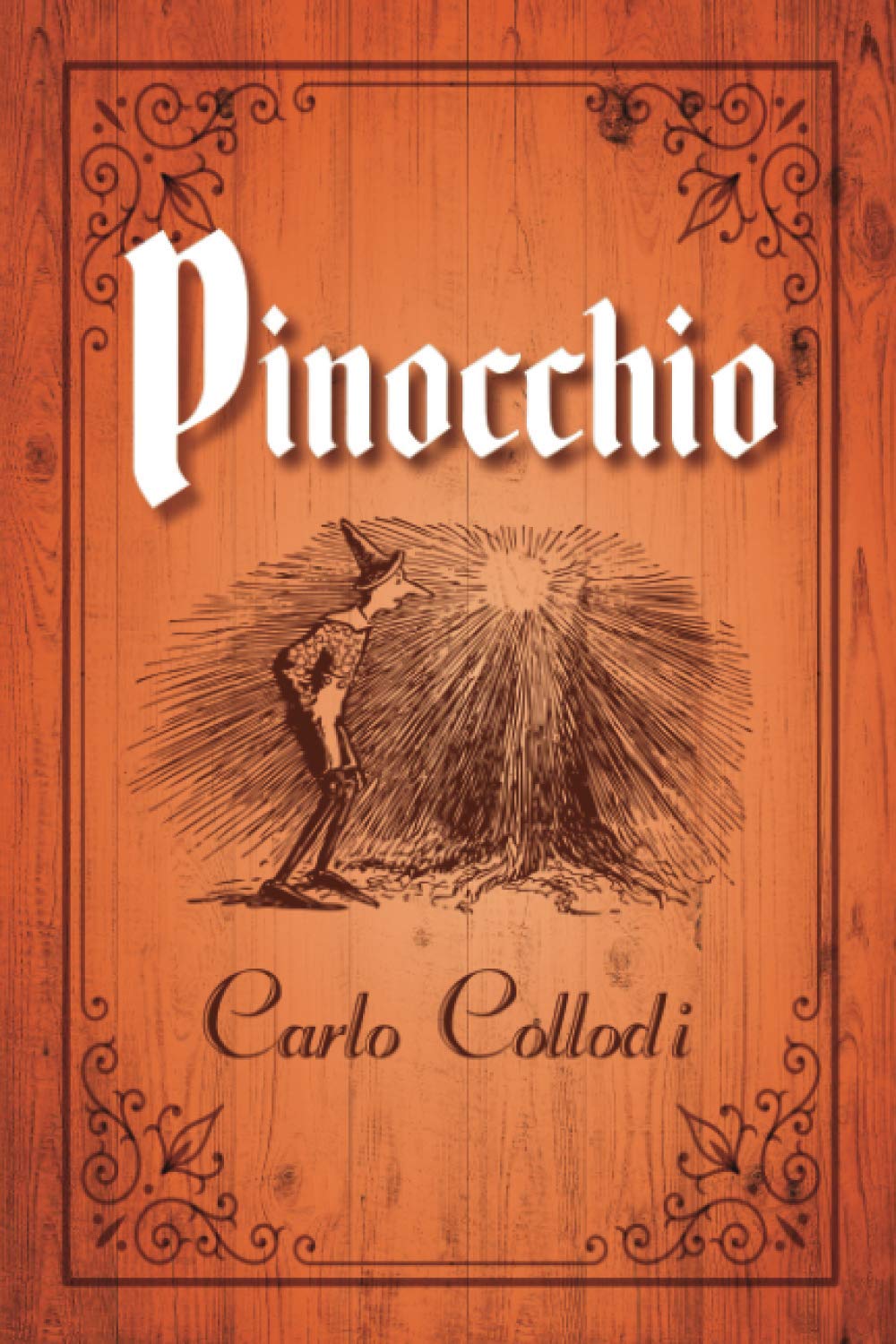
This villain offers a shortcut: candy, power, magic, a wish—something the child wants now. It’s evergreen because it dramatizes impulse control without lecturing.
How to use it well:
Don’t make the child “bad” for wanting. Make the lesson:
- wanting is normal
- choices have consequences
- slow wisdom beats fast sugar
6) The Abandoner
Core fear: “What if I’m left behind?”
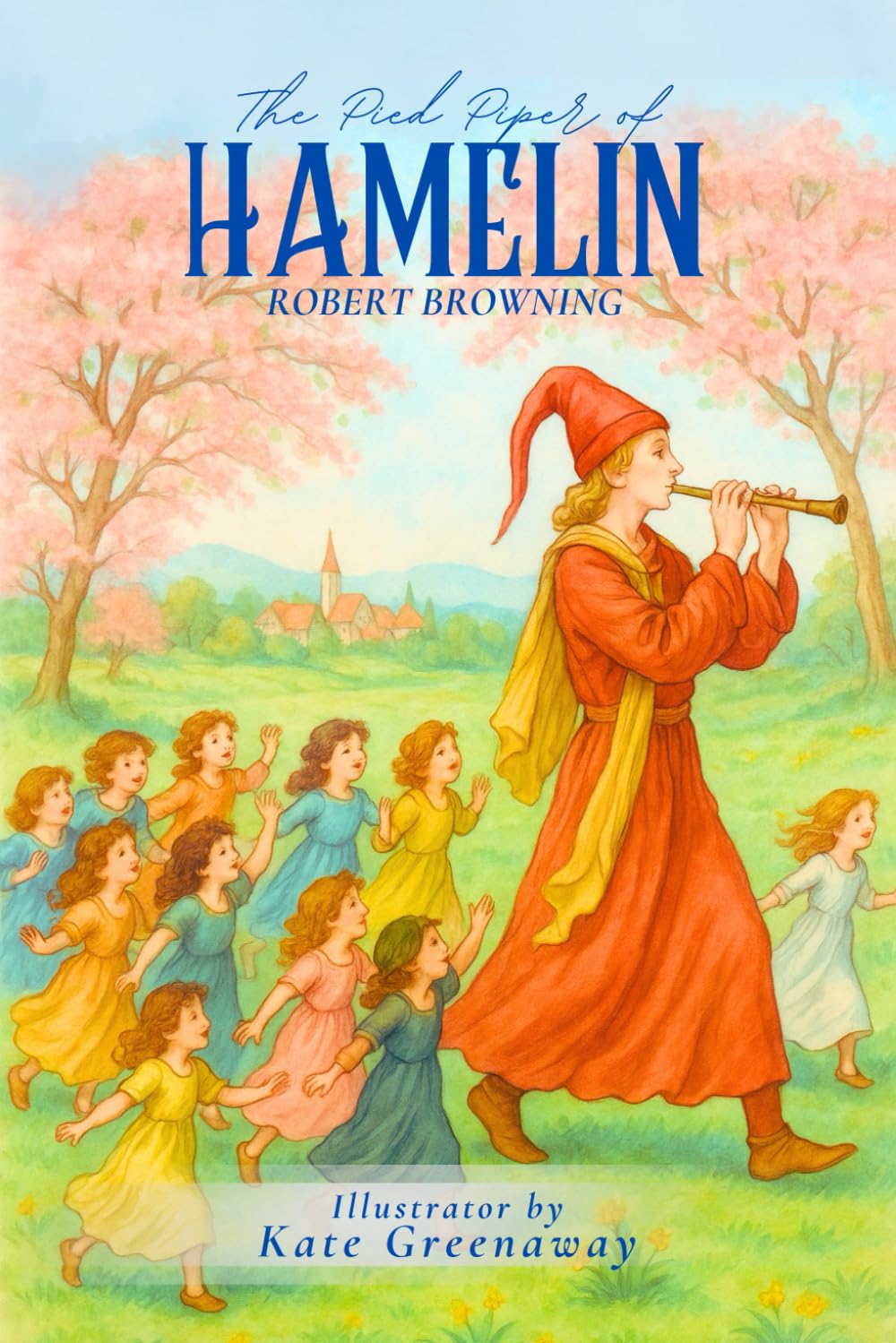
This antagonist isn’t always “evil.” Sometimes it’s the storm, the forest, the broken map, the door that closes. But the emotional villain is abandonment: separation, getting lost, being forgotten.
It endures because it’s one of childhood’s deepest fears—and one of parenting’s deepest anxieties.
How to use it well:
This is where you build anchors:
- a reassuring object
- a repeated phrase
- a promise kept
- a reunion that restores the world
7) The Chaos Gremlin
Core fear: “Everything is out of control.”
This is the mischievous troublemaker: the villain who makes messes, breaks routines, disrupts bedtime, knocks over the tower. It’s funny and relatable because kids experience chaos daily—inside their own emotions and in their environment.
How to use it well:
Keep it playful. Let the child restore order through a simple plan. This villain is perfect for younger readers.
The meta-secret: durable villains are “problem-shaped”
The strongest kid-lit antagonists aren’t complicated. They’re problem-shaped.
They represent a single emotional problem that children recognize instantly:
- unsafe strangers
- unfair rules
- big appetites
- jealousy
- temptation
- separation
- chaos
If you design your villain around one clean problem, your story will feel classic—even if your setting is modern.
How to apply this in Book Bolt Studio without losing your voice
If you’re using Book Bolt Studio to generate drafts, the best method is:
- Choose your villain type first (from the list above)
- Choose the “kid truth” you want to teach (one sentence)
- Generate a few versions, then revise by hand to ensure:
- the villain is clear, not confusing
- the fear is contained (safe edges, comfort at the end)
- the child has agency
- the ending restores safety
AI can give you options fast. Your job is to make the emotional architecture timeless.