With the advances now available in Book Bolt Studio’s newer story-creation features, it’s easier than ever to generate a children’s story quickly. But if you want a children’s book to become something more than a one-time read—something a child asks for again and again—you have to build what the classics build:
A returnable world.
Because the secret of children’s series success isn’t bigger plots. It’s familiarity with spark. It’s the comfort of the known… plus one new surprise.
That’s what makes a “series” feel like magic.
Why kids re-read the same books (and why that’s a good thing)
Adults sometimes assume re-reading is laziness.
For kids, it’s mastery.
When a child returns to the same world, they get:
- predictability (safety)
- competence (“I know what happens!”)
- emotional rehearsal (the scary part comes… and then it passes)
- a sense of belonging (“these are my people”)
A returnable world turns reading into a ritual. And rituals are sticky.
So if you’re creating children’s books today, one of the smartest long-term moves you can make is to design your story world so it naturally invites revisiting.
The “World Promise”: what the series quietly guarantees
Every successful series makes an unspoken promise to the reader.
It doesn’t have to be stated. The child simply feels it.
Examples of world promises (conceptual):
- “This world is safe, even when it’s silly-chaotic.”
- “We solve problems with kindness and cleverness.”
- “This character will make me laugh.”
- “This place has cozy routines.”
- “We go on small adventures, and everything turns out okay.”
When the promise is clear, a kid wants to come back because they know what they’ll get emotionally.
That’s the series engine.
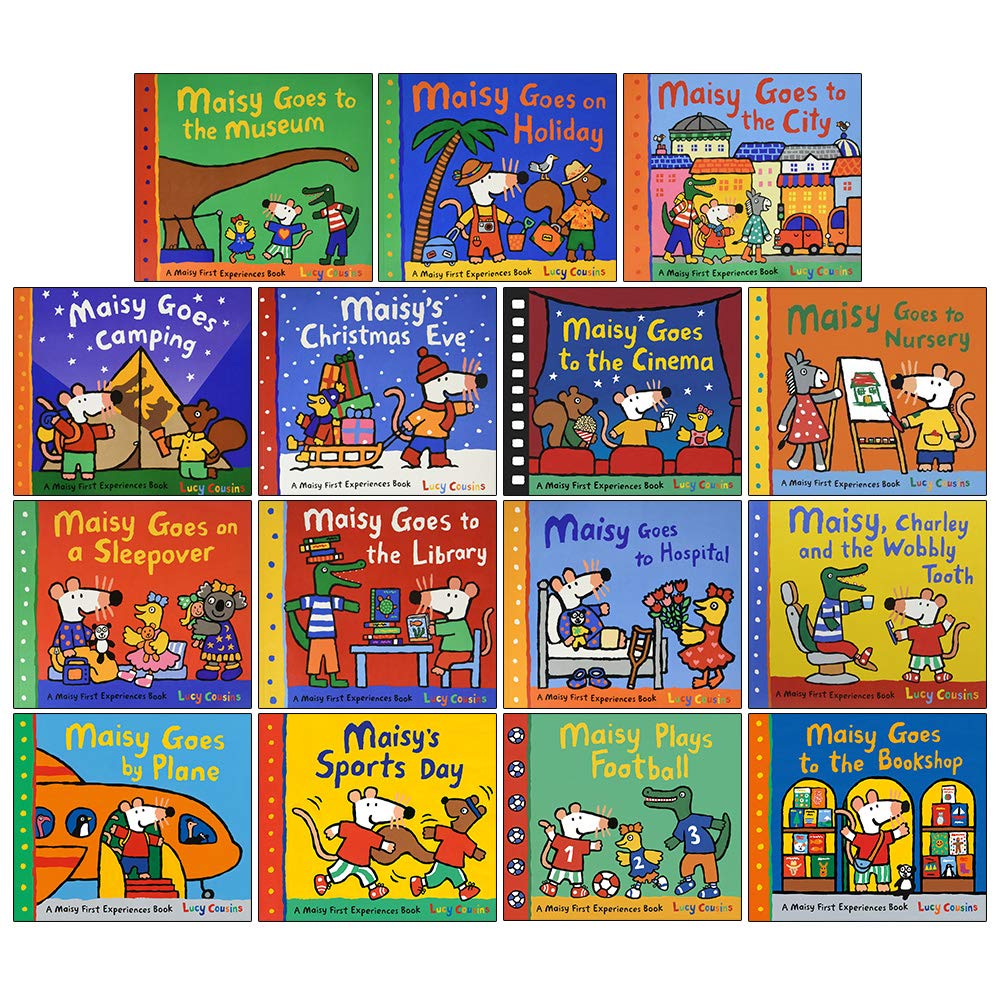
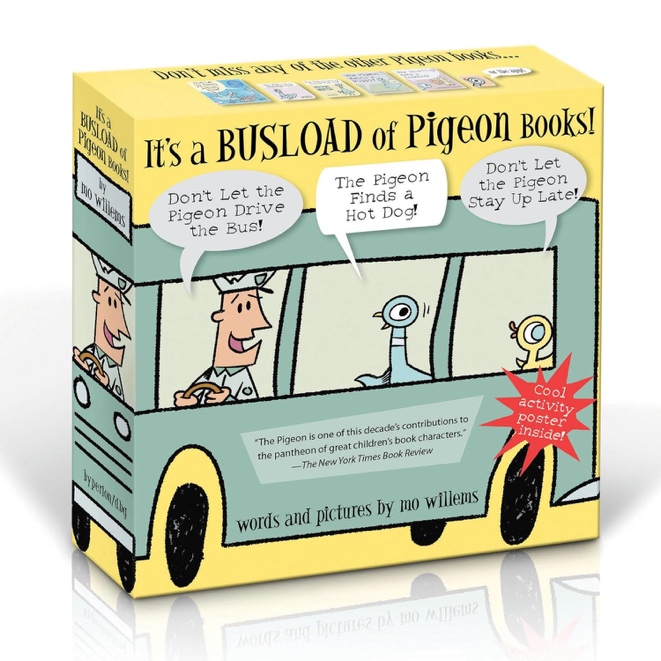
The 5 ingredients of a returnable world
1) A Home Base
Kids love a “home base” because it’s a stable anchor.
Home base can be:
- a house
- a bedroom
- a classroom
- a neighborhood
- a familiar forest path
- a magical shop
- a treehouse
- a “club” space
Home base creates the feeling: we always know where we are.
Even if the adventure goes somewhere new, you return home at the end (or at least return to the same emotional center).
2) A Cast with Clear Roles
Series feel like friendships.
The cast doesn’t have to be huge—but each character should have a “job” that stays consistent:
- the brave one
- the cautious one
- the curious one
- the silly one
- the wise helper
- the lovable troublemaker
Consistency is not boring to kids. It’s reassuring.
And when a child knows the roles, the child gets to anticipate:
- “Oh no… here comes the troublemaker.”
- “The cautious one will worry.”
- “The brave one will try.”
That anticipation is part of the pleasure.
3) A Repeatable Story Shape
Great series often reuse a simple structure:
- a small problem appears
- the character reacts emotionally
- attempts go wrong (but safely)
- a lesson or tool appears
- the problem resolves
- we return to comfort
Kids like repeatable shapes. They let kids focus on the fun parts—characters, humor, surprises—without getting lost.
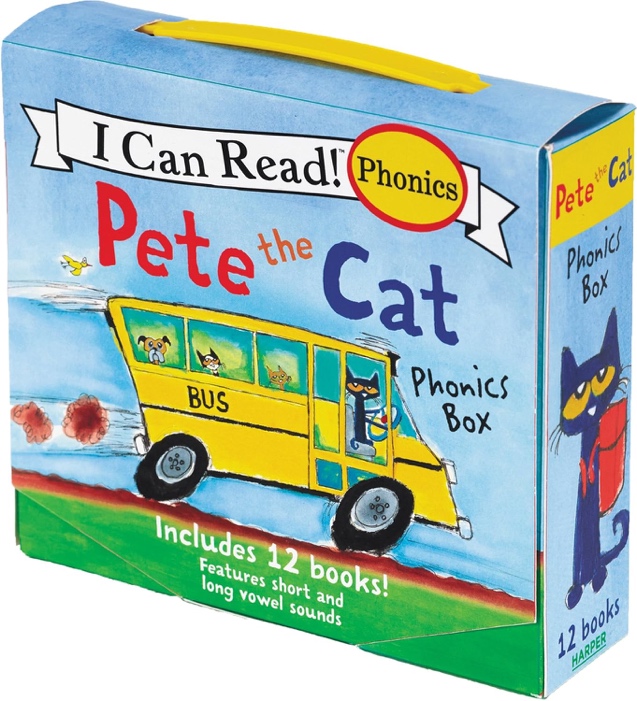
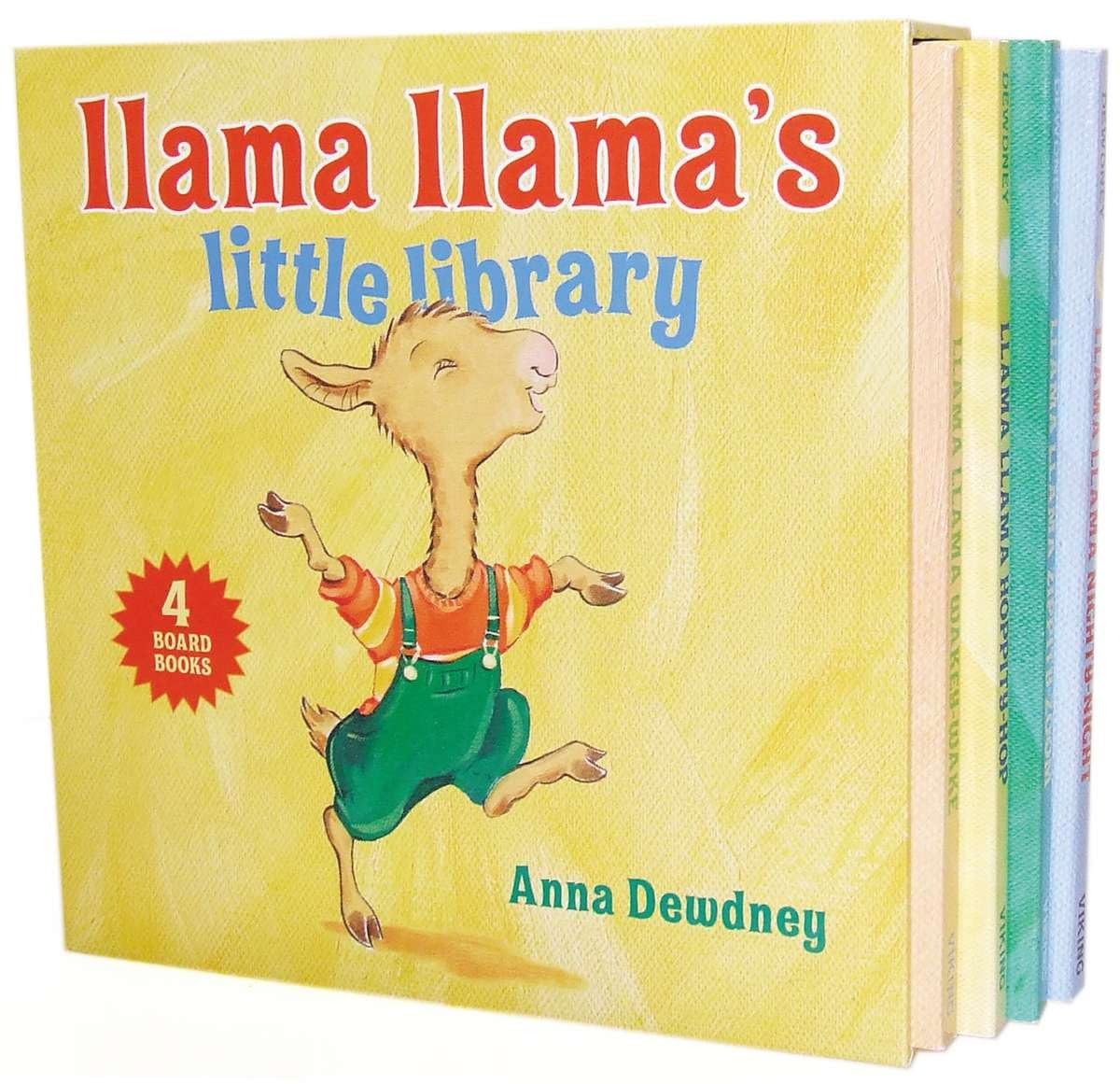
4) A Signature Tone
Tone is the invisible glue.
Your tone is the emotional weather of the world:
- cozy
- funny
- gentle spooky
- adventurous
- calm and reassuring
- energetic and mischievous
If you keep tone consistent across books, kids trust you.
Tone consistency is how you become the “author they want again,” even if they don’t know the word “author.”
5) A “New Surprise” Mechanism
A series can be familiar without being repetitive if each book introduces a small new twist.
Examples of surprise mechanisms:
- a new object (a hat, a magic key, a strange box)
- a new visitor
- a new room in the house
- a new animal friend
- a new rule or challenge
- a “seasonal episode” (snow day, Halloween night, summer trip)
The key: the surprise should feel like it belongs in the world—not like a random genre switch.
The biggest misunderstanding: you don’t need a series to build a series
Here’s the power move: you can build “series magic” even if you’re only writing one book right now.
If your world has:
- a home base
- a cast that could return
- a repeatable structure
- a clear tone
- and room for future surprises
…then your first book becomes a pilot episode.
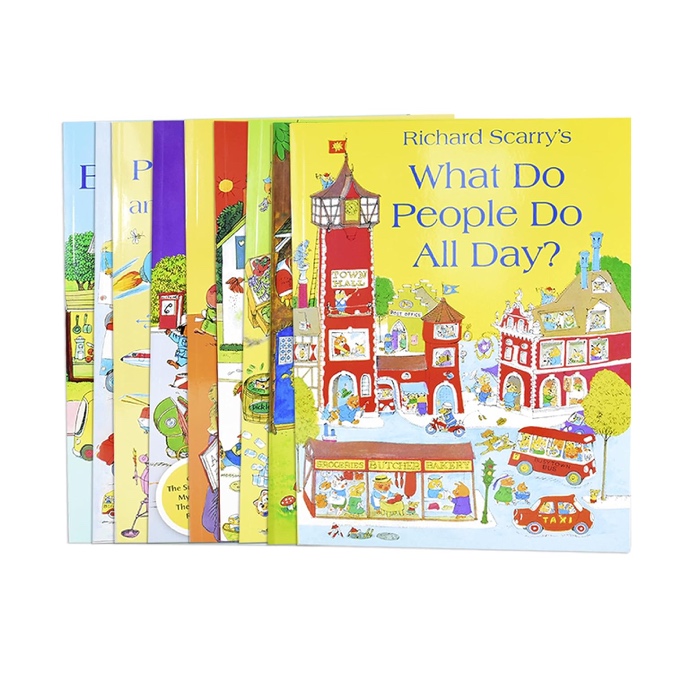
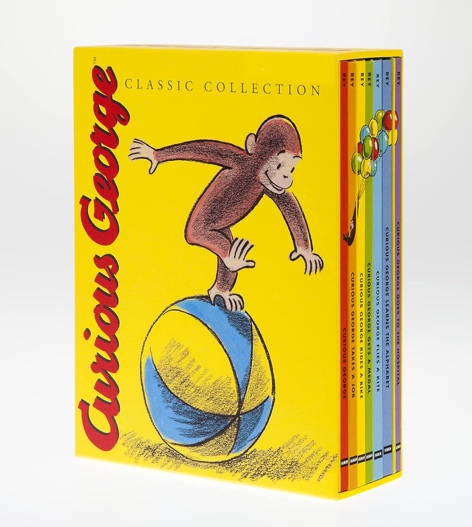
That’s how classics start: not as “Book 1 of 12,” but as “a world that could continue.”
Using Book Bolt Studio to build a returnable world (without going generic)
AI drafting tools are great at generating “one-off plots.”
Your job is to build the container.
A simple workflow:
- Define your World Promise in one sentence
- Define your Home Base (1–2 sentences)
- Define your Cast Roles (3–5 short bullet points)
- Define your Repeatable Story Shape (5 beats)
- For each new book, change only:
- the “small problem”
- the “new surprise”
Then let Book Bolt Studio generate variations within your container.
That’s how you keep the output fast but the world consistent.
The “revisit test”: how to know if you’ve built series potential
Ask yourself:
- Would a child want to “hang out” in this world even with no plot?
- Does the home base feel vivid and safe?
- Do the characters have distinct voices?
- Is the emotional outcome reliably comforting?
- Can I think of 10 small problems that could happen here?
If yes, you’re holding series magic.