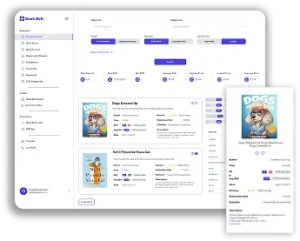
Book Bolt has recently made it easier than ever to “create & upload coloring books, story books, and low-content books to Amazon – in seconds.” With that kind of speed on the table (and with Studio’s AI-assisted creation tools in the mix), it’s worth anchoring yourself to an old-fashioned truth: the projects that last aren’t the ones that are fastest—they’re the ones built on timeless story mechanics that readers instinctively love.
Fairy tales are the best teachers we have here. Not because they’re old, but because they’re efficient: they deliver emotion, meaning, and momentum with a set of repeatable story engines you can apply to modern children’s books.
Let’s break down what makes them endure—and how to use those ingredients to create storybooks that feel classic on day one.
The real reason fairy tales survive: they solve the same problems forever
Fairy tales don’t endure because of trendiness. They endure because they keep answering a handful of human questions that never go out of date:
- Is the world safe? If not, how do I become safe?
- Who can I trust?
- What happens if I break the rules?
- What do I do when I feel small?
- How do I become brave?
- What does “good” look like when I’m scared?
A great children’s story doesn’t need complexity. It needs clarity.
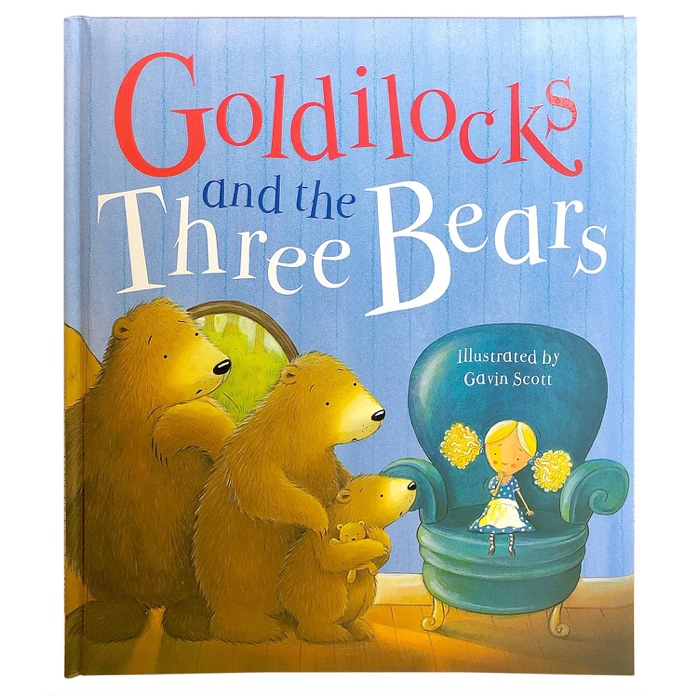
Fairy tales are clear. Their stakes are simple. Their emotions are big. Their choices matter. And even when the story is strange—wolves talking, houses made of candy—it’s strange in a way that makes a kid feel oriented, not confused.
That’s the first endurance engine:
Endurance Engine #1: Crystal-clear stakes
In fairy tales, the stakes are almost always something a child understands instantly:
- Don’t talk to strangers.
- Don’t wander off.
- Don’t be greedy.
- Don’t lie.
- Don’t be cruel.
- Don’t ignore your gut.
You can modernize the setting all you want, but keep the stakes clean.
Quick creator test:
If a five-year-old can’t explain the problem in one sentence, you’re probably writing for the parent—not the kid.
Fairy tales use “emotional math” (and kids are great at it)
Adults often ask, “Is this realistic?”
Kids ask, “Is this true?”
Fairy tales are emotionally true. They make feelings visible. They turn:
- jealousy into a witch
- hunger into a wolf
- fear into a dark forest
- loneliness into a cursed tower
- bravery into a small person doing the right thing anyway
That’s the second endurance engine:
Endurance Engine #2: Feelings with a face
If you want a story that sticks, don’t just describe emotions—embody them.
Instead of “Max was nervous,” you get:
Max hears a sound under the floorboards that no one else hears.
Instead of “Lina felt left out,” you get:
Everyone in the village has a glowing lantern… except Lina’s stays dark.
Kids remember objects and creatures and places that carry feelings.
The “rule of three” is not a cliché. It’s a spell.
Fairy tales are full of threes:
- three little pigs
- three wishes
- three trials
- three doors
- three nights
- three siblings
It works because it creates a perfect rhythm:
- try
- try again (harder)
- final attempt (payoff)
That’s the third endurance engine:
Endurance Engine #3: Rhythm the reader can predict
For kids, prediction is comfort. Comfort is attention. Attention is re-reads.
When the structure is rhythmic, a child feels smart. They feel like they’re in the story, not being dragged behind it.
Practical application:
Build your plot around three meaningful steps:
- Attempt 1: fails in a funny/harmless way
- Attempt 2: fails with a real consequence
- Attempt 3: succeeds because the hero changes
Archetypes: the cheat codes of comprehension
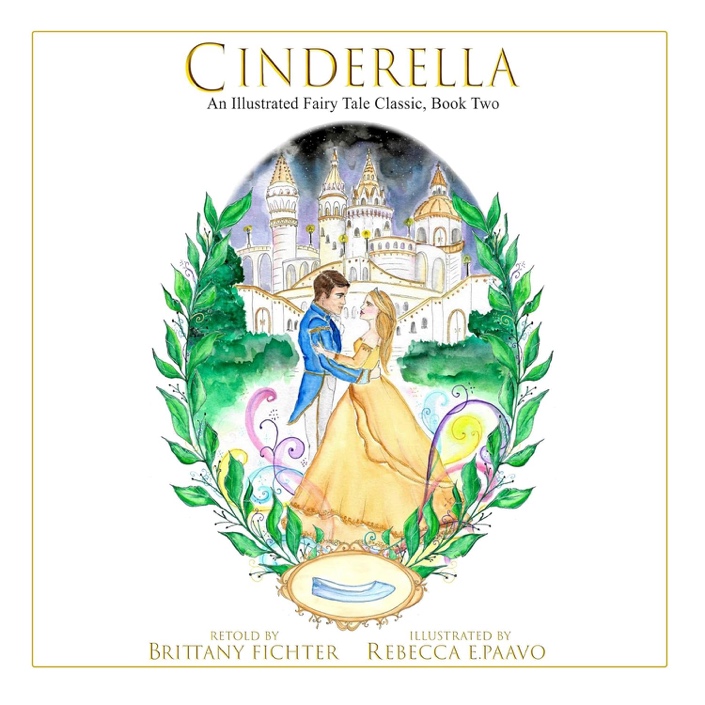
Fairy tale characters feel “simple” because they’re archetypal:
- the curious child
- the trickster
- the brave helper
- the false friend
- the protector
- the hungry predator
- the jealous rival
Archetypes are not lazy writing. They’re fast communication.
That’s the fourth endurance engine:
Endurance Engine #4: Instantly recognizable roles
In a children’s book, you don’t have 40 pages to explain who someone is. Archetypes let you “load the character” in one or two moments.
The key is to add one fresh twist:
- The “wolf” is actually fear of the dark (and it shrinks when named).
- The “witch” is jealousy—but she only has power when people compare themselves.
- The “helper” is a tiny creature no one notices… until they do.
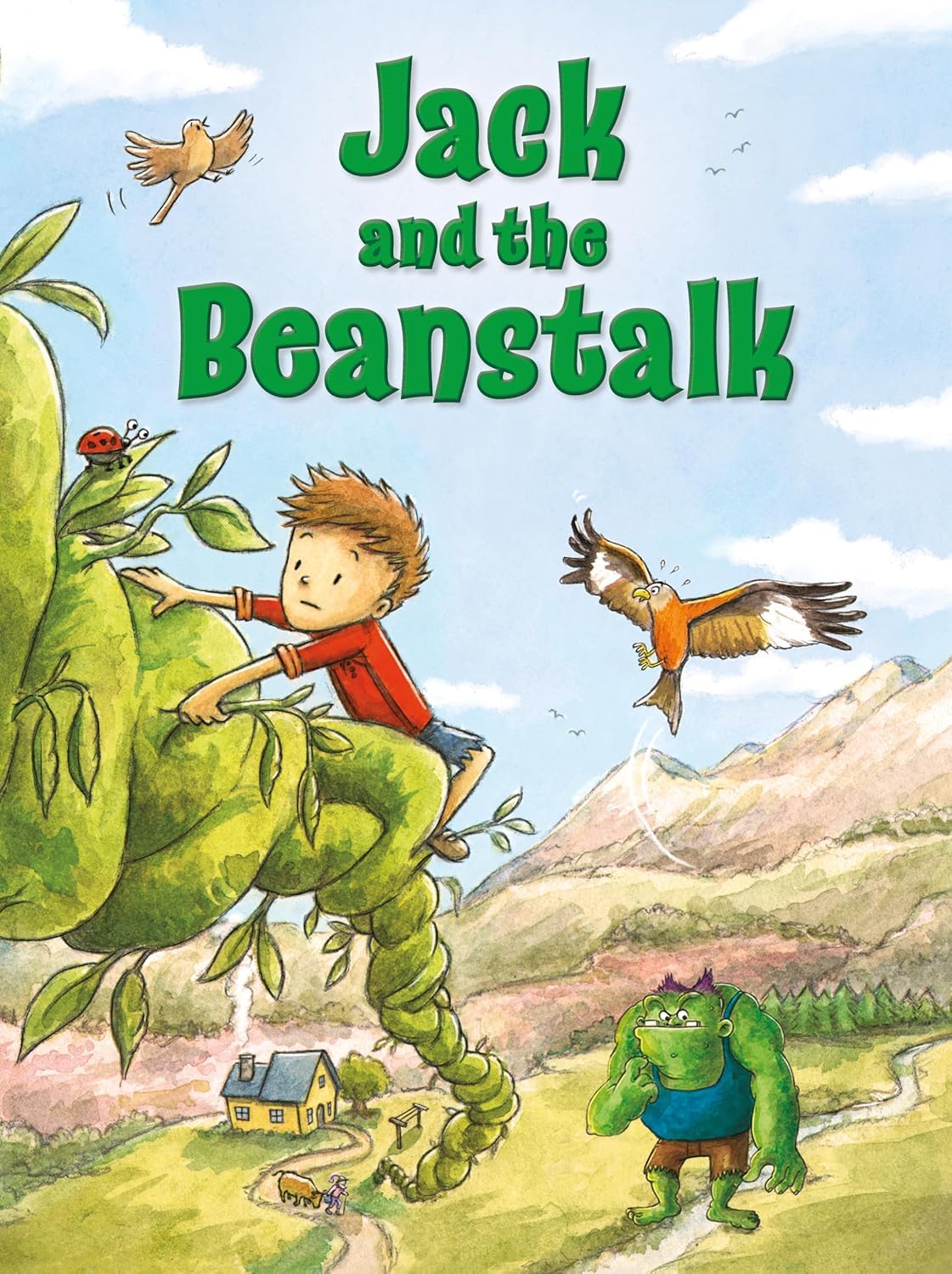
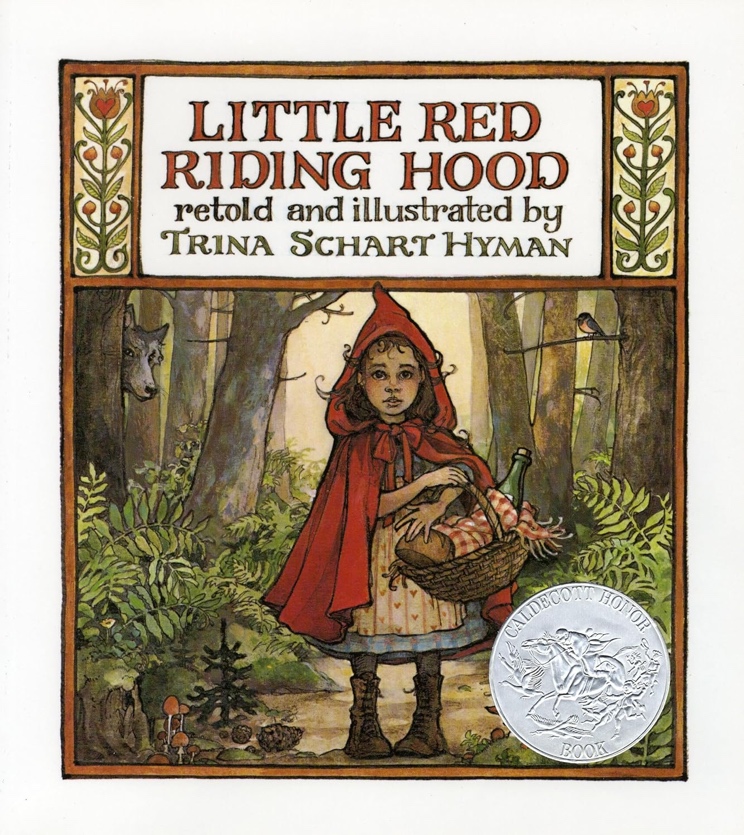
Why fairy tales re-read well: the loop of mastery
A durable children’s story isn’t just enjoyed—it’s revisited.
Fairy tales are built for rereading because the child gets to relive:
- a safe fear
- a satisfying justice
- a clear win
- a sense of control
That’s the fifth endurance engine:
Endurance Engine #5: Safe fear + satisfying resolution
Fear in a kids’ story is fine—great, even—when it’s:
- specific
- bounded
- solvable
The story gives the child practice at handling the feeling. That’s why they ask for it again.
Creator note:
If your story includes scary elements, make sure the resolution is emotionally generous. Kids can handle darkness—but they don’t want hopelessness.
The moral works when it’s not a lecture
Fairy tales teach, but rarely through sermons. They teach through consequences:
- greed gets you stuck
- lying gets you exposed
- courage gets you out
- kindness earns unexpected help
That’s the sixth endurance engine:
Endurance Engine #6: The lesson is proven, not announced
A good modern children’s story can absolutely have a lesson—just don’t point at it like a neon sign.
Instead, make the lesson the inevitable outcome of the hero’s choices.
Better than: “Sharing is important.”
Stronger: The hero only escapes when they stop hoarding and start cooperating.
How to use these engines in your own storybook (a simple blueprint)
Here’s a practical framework you can use to create a “modern fairy tale” that feels timeless.
Step 1: Pick one evergreen fear or desire
Choose one:
- fear of being alone
- fear of the dark
- fear of failing
- desire to be seen
- desire to be brave
- desire to belong
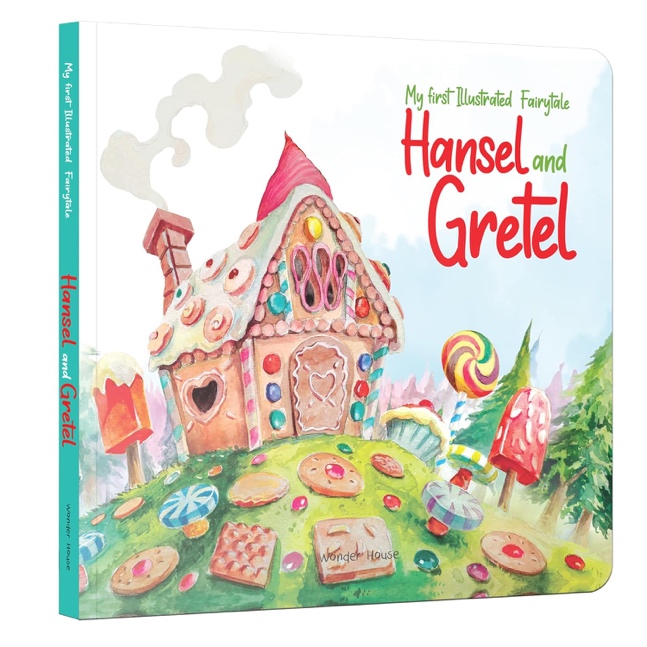
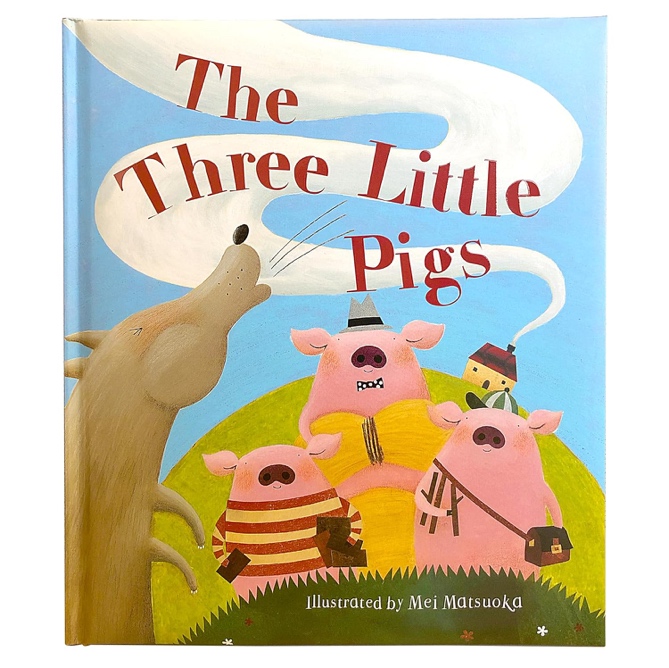
Step 2: Turn it into an object/place/creature
Examples:
- loneliness = a house that keeps moving away
- fear = a shadow that grows when ignored
- belonging = a village where everyone has a “spark”… except the hero
Step 3: Give the hero one clear flaw and one clear strength
- flaw: impatient, jealous, too proud, too trusting
- strength: curious, kind, persistent, clever, brave in small moments
Step 4: Build three attempts (rule of three)
Attempt 1: small failure
Attempt 2: bigger consequence
Attempt 3: success because the hero changes
Step 5: End with emotional justice
Not punishment for its own sake—balance restored:
- kindness rewarded
- truth revealed
- courage recognized
- fear made smaller
This blueprint works whether your book is whimsical, spooky-cute, cozy, or adventurous.
Where Book Bolt Studio fits—without losing the “human” part
Book Bolt’s promise is speed: create and upload storybooks quickly. Studio is positioned as a drag-and-drop environment for KDP covers and interiors, with an AI-powered image generator that can create “unique characters” and “vibrant story illustrations.”
That’s powerful—but the advantage isn’t “letting the tool do everything.”
The advantage is this:
Use Book Bolt for production acceleration—keep story choices human.
Fairy tales endure because their choices feel intentional. That’s what you want to preserve, even when tools make the assembly faster.
A great workflow mindset is:
- Human decides: theme, lesson, character arc, emotional tone
- Tool assists: layout speed, illustration generation, formatting efficiency
- Human refines: voice consistency, readability, uniqueness, and age-appropriateness
That’s how you create books that don’t just exist—they last.
A final gut-check: “Will a child ask for this again?”
Before you publish, ask one question:
Is the story pleasurable to revisit?
Because that’s the fairy-tale superpower:
It doesn’t just entertain once. It becomes a ritual.
If you build your children’s book on these endurance engines—clear stakes, embodied feelings, rhythm, archetypes, safe fear, and proven lessons—you’ll be creating the kind of story that can live on a shelf for years.
And that’s the real win.