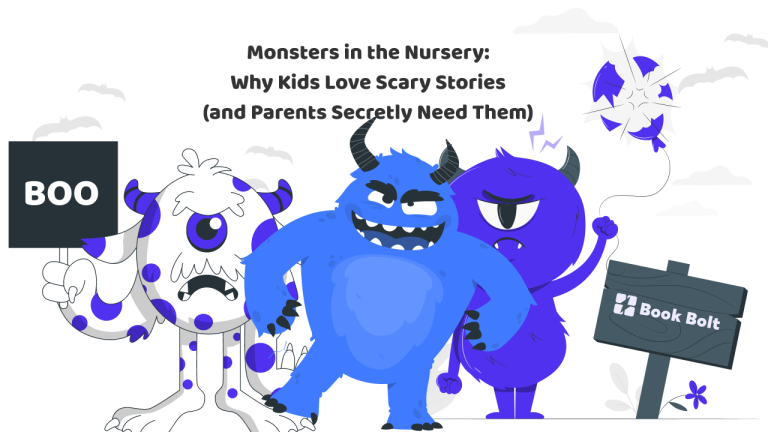
With the advances now available in Book Bolt Studio’s newer story-creation features, it’s easier than ever to generate a children’s story quickly. But speed doesn’t replace the human part of the job: choosing the emotional “nutrients” your story delivers—comfort, courage, curiosity, and yes… a controlled dose of fear.
Because here’s the thing most adults forget:
Kids don’t love scary stories in spite of fear.
They love them because fear is already part of being small in a big world—and stories give that fear a shape, a name, and (most importantly) an ending.
And if you’re creating children’s books today—whether you write them by hand, use AI as a draft partner, or blend both—understanding why “monsters in the nursery” endure will make your stories stronger, more timeless, and more parent-approved than you might expect.
Scary stories are “practice runs” for big feelings
Children are running emotional software on brand-new hardware.
They don’t have decades of experience to tell them:
- “This feeling will pass.”
- “I can handle this.”
- “I’m safe, even if I’m scared.”
So their brains do what brains always do: they rehearse.
Scary stories are rehearsals for:
- separation
- darkness
- strangers
- getting lost
- consequences
- shame
- jealousy
- the fear of being “too much” or “not enough”
When a child hears a story where danger appears and then resolves, they get a powerful signal:
Fear can be survived.
That’s not entertainment. That’s emotional training.
Classic fairy tales were originally terrifying on purpose
Modern adults sometimes talk about fairy tales as if they were always gentle bedtime stories with soft edges.
They weren’t.
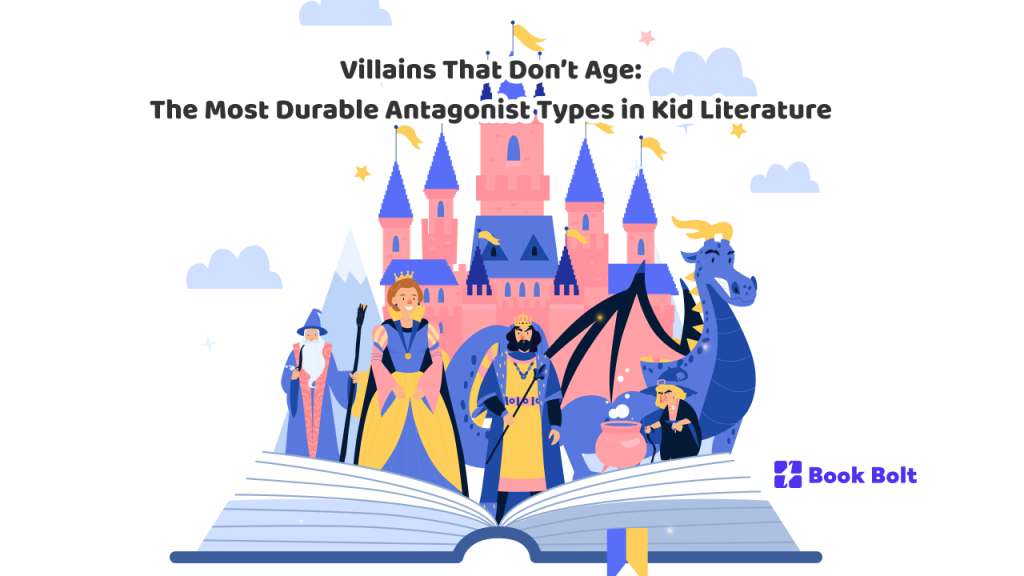
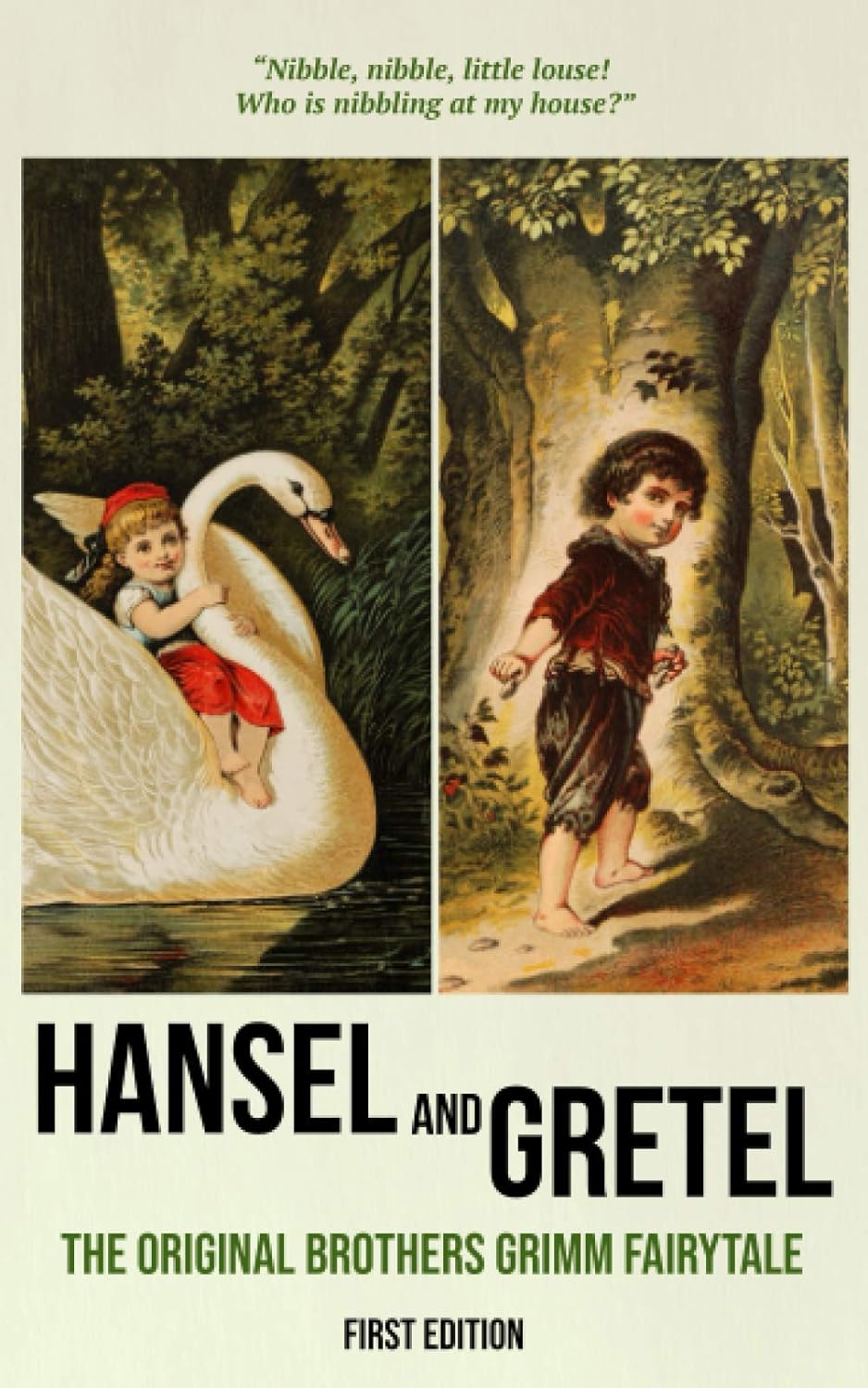
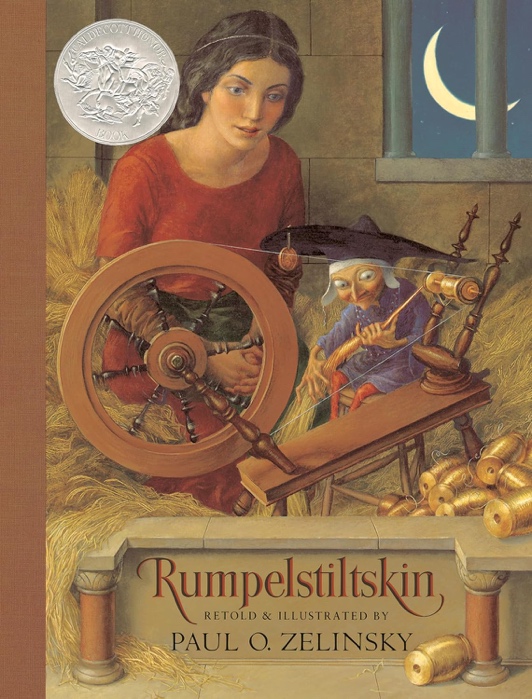
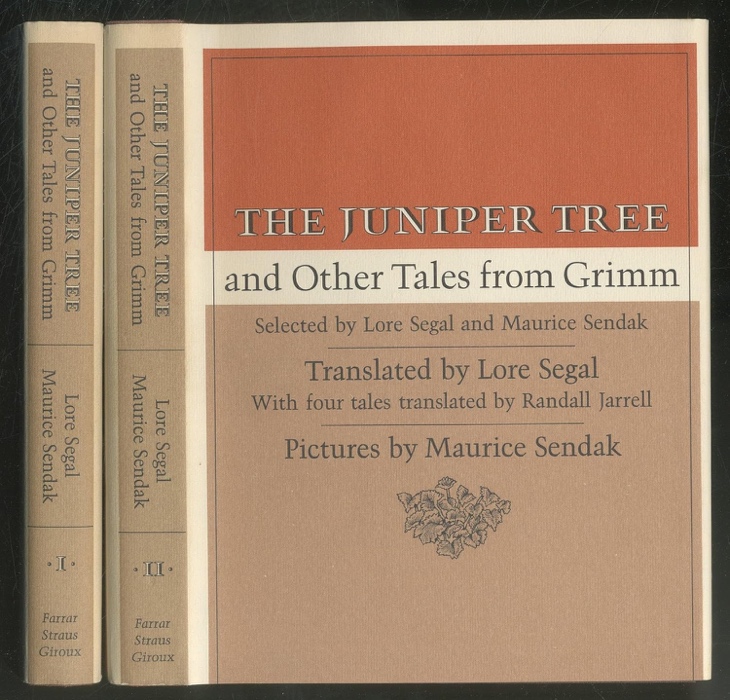
Many classic tales—especially those associated with the Grimm tradition—were cautionary, moral, and often brutal. They carried hard lessons in memorable imagery because the audience lived in a world where danger was more present and less abstract.
And even today, that old “terrifying” DNA is a feature, not a bug.
Because fairy tales do something incredibly useful:
They take vague anxieties and turn them into symbols.
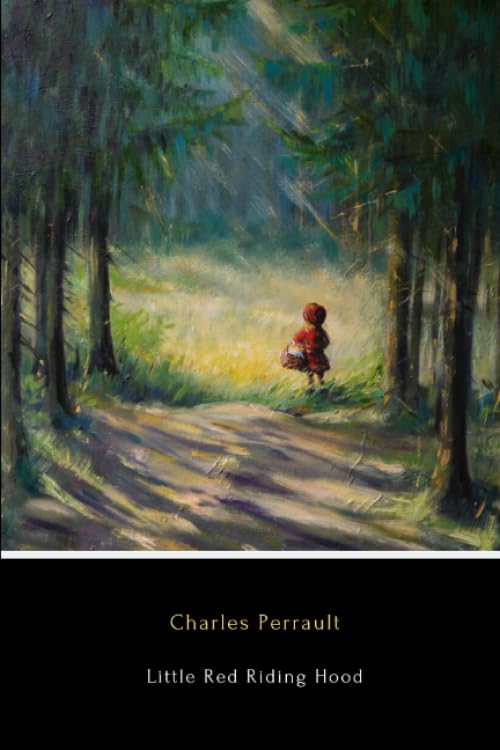
- The wolf becomes “stranger danger.”
- The witch becomes “don’t follow temptation.”
- The dark forest becomes “the unknown.”
- The ogre becomes “big, unfair power.”
- The curse becomes “consequences you can’t undo.”
Kids intuitively understand symbolic language. They don’t need a lecture—they need a shape for the feeling.
The secret parents don’t always admit: scary stories help adults, too
Most parents want two things at once:
- to protect their children from fear
- to raise children who can handle fear
Scary stories—when handled with care—do both.
A good children’s scary story:
- lets a child feel fear in a safe environment
- provides structure and reassurance
- gives adults a way to talk about hard topics indirectly
It’s “training wheels” for conversations about:
- safety
- choices
- emotions
- boundaries
- bravery
- empathy
In other words: scary stories let families discuss danger without dragging real danger into the room.
That’s a gift.
Why kids often prefer “safe scary” over “boring safe”
There’s a reason kids sometimes reject “perfectly nice” stories.
A story with no shadow can feel unreal.
Kids live in a world where:
- things break
- people leave rooms
- loud noises happen
- dogs bark at night
- strangers exist
- emotions spike without warning
So stories that include manageable darkness feel more honest.
The key word is manageable.
In children’s storytelling, the goal isn’t trauma—it’s containment:
- a clear structure
- a clear moral center
- a resolution that returns the child to safety
That’s the fairy-tale pattern, and it’s timeless for a reason.
A detour into delightful nightmares: Struwwelpeter and the Scissorman
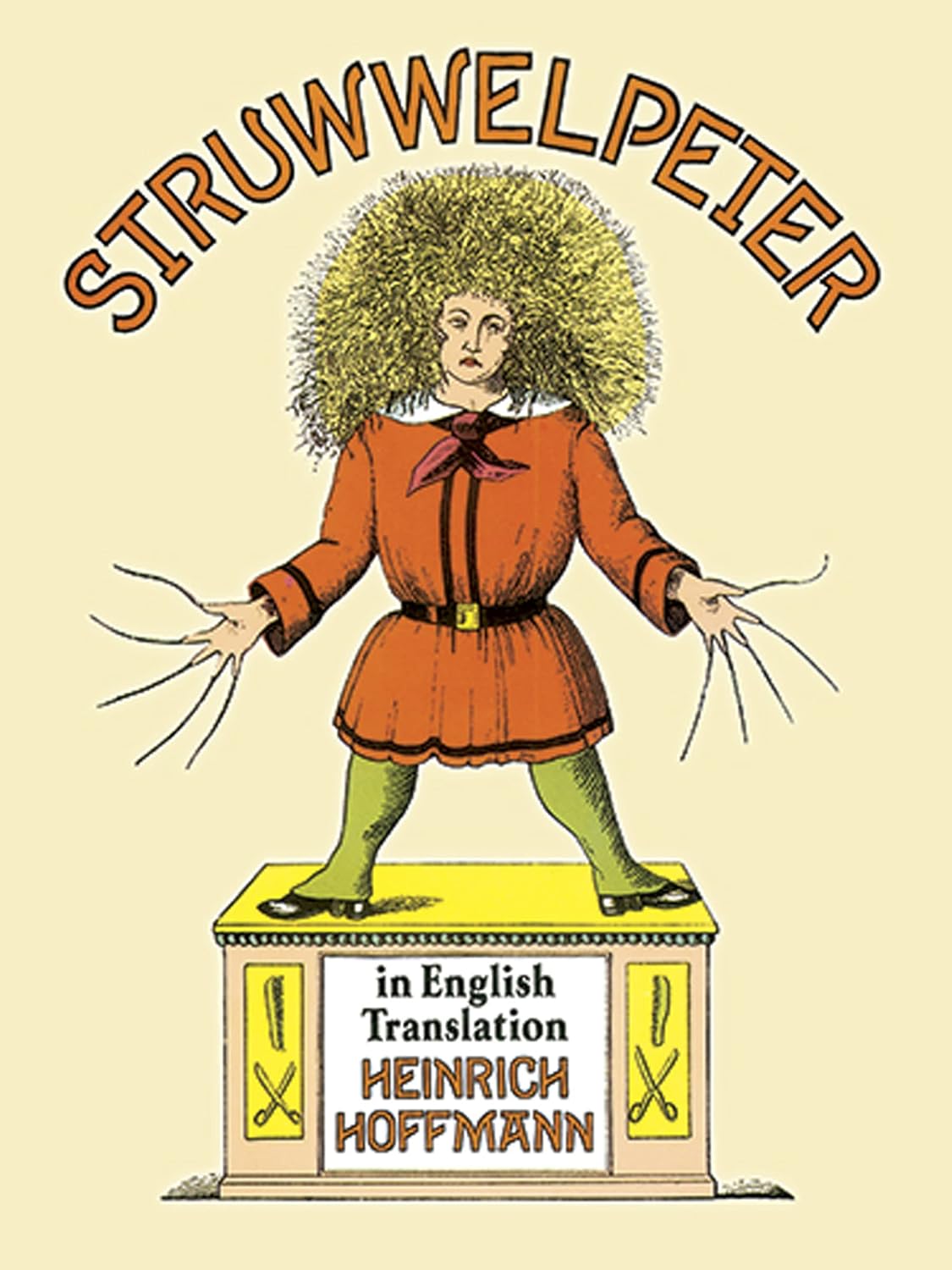
If you want proof that children’s stories historically weren’t afraid to go hard, meet the German classic Der Struwwelpeter (often translated as “Shockheaded Peter” or “Slovenly Peter”).
It’s a 19th-century set of cautionary tales where misbehavior is punished in… extremely memorable ways.
The most infamous: “The Story of Little Suck-a-Thumb,” featuring the Scissorman—who literally snips off the child’s thumbs.
Yes. Really.
And this isn’t just a historical oddity: Struwwelpeter echoes through pop culture. Atlas Obscura notes the Scissorman as an influence that would go on to inspire Tim Burton’s Edward Scissorhands. (Atlas Obscura)
Why bring this up in a modern BookBolt context?
Because it shows how long we’ve understood a core truth of children’s storytelling:
Fear is sticky.
And sticky stories endure—especially when they’re paired with a lesson, a boundary, or a transformation.
You don’t need to recreate the brutality (please don’t). But you can learn from the mechanism: strong imagery + clear moral shape.
The “Nursery Monster” toolkit: how to write scary for kids without going too far
If you’re building children’s stories—especially using AI-assisted drafting—these principles keep you in the sweet spot:
1) Make the monster concrete, not cosmic
Kids do better with a fear that has clear rules.
Good:
- a shadow in the hallway
- a grumpy goblin in the closet
- a witch who hates messes
- a “night wind” that whispers
Riskier:
- existential dread
- unstoppable horror
- ambiguous danger with no rules
Concrete monsters can be understood. Understood monsters can be handled.
2) Give the child agency (even small agency)
The child should do something:
- call for help
- make a clever choice
- use a charm
- follow a rule
- show kindness that breaks the spell
Agency is how fear becomes empowerment.
3) Let the grown-up world be stable (even if the monster isn’t)
A parent, grandparent, teacher, or friendly neighbor can function as the “safe anchor.”
Even if they don’t solve everything, their presence signals: the world holds.
4) Keep the scare in the middle—comfort at the edges
Classic fairy tales often:
- open in safety
- enter danger
- return to safety
That shape matters. It’s what makes a scary story suitable for bedtime.
5) End with restoration, not just survival
Kids don’t just want the monster gone.
They want the world repaired.
- the light is fixed
- the door is closed
- the friend returns
- the family is together
- the character is praised, hugged, reassured
Restoration is emotional closure.
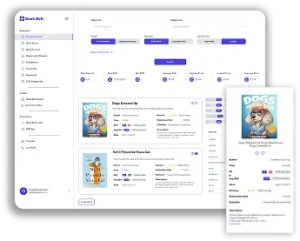
How to use Book Bolt Studio responsibly for “scary kid lit”
If you’re using Book Bolt Studio’s story tools as part of your process, here’s a simple, organic way to keep it human-led:
- You choose the fear. (darkness, separation, getting lost, “being in trouble”)
- You choose the age lens. (picture book gentle, early reader playful, middle grade intense)
- You choose the moral shape. (courage, honesty, kindness, listening, asking for help)
- Then let the tool generate drafts—and you become the editor who:
- softens what needs softening
- sharpens what needs meaning
- ensures a safe emotional landing
AI can help you generate options.
Only you can decide what’s appropriate, wise, and durable.
Why this matters in 2026 KDP land
A “monsters in the nursery” theme can become an entire micro-brand:
- bedtime monster stories (comfort-forward)
- seasonal spooky picture books (fun-forward)
- gentle “bravery” books for anxious kids (support-forward)
- silly monster characters that show up across multiple stories (series-forward)
Scary sells—not because parents want nightmares, but because kids want tools.
And the best scary children’s stories are, secretly, hope stories.
They whisper:
Yes, the dark exists.
And you can still be okay.