Book Bolt has made it dramatically easier to create and publish story books—and with Book Bolt Studio’s AI-assisted creation tools (including character/illustration generation), it’s tempting to think the “hard part” is now production speed. But the books that really work still come down to something old-school: a story concept that hooks instantly, and characters kids bond with fast.
That’s where talking animals are basically a cheat code.
When you give a child an animal with a clear personality, you’re not just telling a story—you’re creating a friend they can understand in one glance, in one page, sometimes in one sentence. And that’s why animal-led children’s books keep selling decade after decade.
Let’s unpack why they work—and how to use the “talking animal advantage” in a way that feels organic, not formulaic.
1) Animals create instant empathy (before the plot even starts)
A human character often arrives with “real world baggage” a child doesn’t fully relate to yet:
- adult jobs
- complicated social roles
- subtle motivations
- awkward realism
But an animal character is immediately readable. The child meets them at the level of behavior and emotion, not biography.
A rabbit who worries.
A bear who means well.
A fox who’s a little too clever.
A turtle who takes forever.
You don’t need a backstory to care. The animal gives you empathy at the speed of instinct.
Creator move:
Start with one clean emotion (shy, curious, grumpy, brave) and let the animal embody it.
2) Animals let you talk about “human stuff” without feeling preachy
Kids stories often carry lessons—sharing, honesty, courage, patience. With human characters, it can feel like a lecture.
With animals, it feels like a parable. There’s a little space. A little softness. The child can absorb the meaning without feeling like the story is scolding them.
If the character is a small dog learning confidence, it’s not “you need confidence.”
It’s “watch what happens when this little dog tries again.”
That distance is powerful.
Creator move:
If you’re worried your moral is too obvious, switch the cast to animals. The lesson usually becomes easier to swallow.
3) Animals are archetypes made visible
Children understand the world through patterns. Animal characters lean into that naturally:
- Owl = wise (or trying to be)
- Fox = clever (or sneaky)
- Bear = big-hearted (or big and scary)
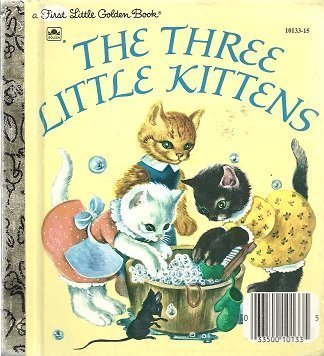
- Cat = independent, curious
- Dog = loyal, eager
- Turtle = patient, slow-but-steady
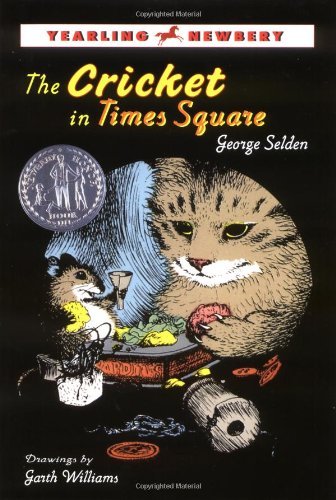
- Mouse = small, underestimated
You don’t have to follow these, but you can use them as shortcuts. Archetypes help kids orient quickly, which helps them relax into the story.
Creator move:
Pick one animal that matches the emotional job of your character… then add one surprising twist so it feels fresh.
Example: a “wise owl” who has stage fright.
A “brave lion” who’s scared of the dark.
A “loyal dog” who’s jealous.
4) Talking animals are naturally funny
A big part of what sells in children’s books is rereadability. Humor is reread fuel.
And animals are inherently funny because they can:
- misunderstand human objects
- have dramatic opinions about small things
- react with big emotion to ordinary events
- break “rules” safely
Kids love exaggerated reactions. Animals make exaggeration feel normal instead of cringey.
Creator move:
Write the animal’s “logic” like a kid’s logic. Simple, intense, and completely sincere.
5) Animals make conflict safer (and fear manageable)
Some of the best children’s stories include tension: a chase, a storm, a monster, a problem that feels big.
Animals help keep the fear “storybook-sized.” The danger can feel real, but not overwhelming.
A tiny animal trying to cross a creek can feel like an epic quest—without needing the stakes of a human disaster movie.
Creator move:
Scale your conflict to the world of the character:
- lost in the yard
- stuck in a rainstorm
- trapped in a pantry
- trying to return something borrowed
- facing a “big” neighbor (a bigger animal, a cranky goose, etc.)
Small stakes can carry big feelings.
6) They’re a visual storytelling dream
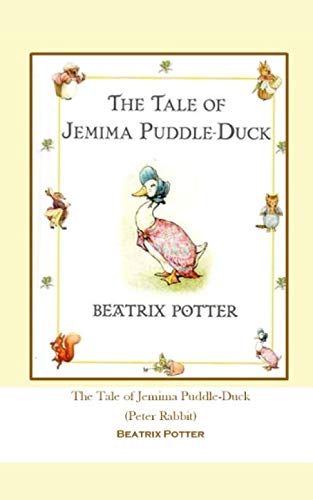
Animals are incredibly illustration-friendly:
- clean silhouettes
- expressive faces
- consistent shapes
- easy “signature features” (scarf, hat, backpack, glasses)
That matters because children’s storybooks sell on look and feel as much as narrative.
And it pairs naturally with a tool-driven workflow: you can lock a character’s core design quickly, then reuse it across scenes with consistent styling.
Creator move (especially if you’re using AI-assisted illustration):
- Define 2–3 “must keep” traits (ears shape, eye style, outfit)
- Keep the palette consistent
- Don’t “redesign” the animal every page
- Treat the character like a brand mascot: familiarity is the point
How to build a talking animal character that doesn’t feel generic
Here’s a quick framework that helps you avoid “cute animal who says cute things” syndrome.
Step 1: Give the animal one strong want
- belong
- be brave
- be the best
- be left alone
- be helpful
- be seen
Step 2: Add one problem that gets in their way
- too shy
- too impulsive
- too proud
- too messy
- too afraid
- too impatient
Step 3: Give them one skill that leaks out
- kindness
- creativity
- stubborn persistence
- honesty
- cleverness
- loyalty
Step 4: Give them a “voice rule”
One consistent speech pattern:
- asks questions constantly
- speaks in confident declarations
- whispers when nervous
- over-explains
- uses dramatic metaphors
- refuses to say “sorry” at first
That one rule makes the character feel alive immediately.
A few story premises that sell (without copying anyone)
If you need fast, evergreen story DNA, these are reliable “animal story engines”:
- The small protector: tiny animal defends something bigger than itself
- The misunderstood creature: everyone assumes the animal is “bad,” but it’s just different
- The anxious helper: animal wants to help but makes things worse before it gets better
- The stubborn optimist: animal keeps trying when everyone else quits
- The unlikely friendship: two animals with opposite instincts must cooperate
- The rule-breaker with a heart: animal breaks rules, learns consequences, repairs the mess
Each one supports a clear arc and a clear emotional payoff—great for quick production without losing soul.
Using Book Bolt Studio without losing the “human heart”
When a tool makes creation fast, the risk is that the story becomes “content”—assembled rather than authored.
The fix is simple:
Keep the character decisions human.
- You decide the want, flaw, turning point, and emotional tone.
- The tool helps you accelerate the building and illustration process.
- You refine for readability, consistency, and age-appropriate pacing.
Talking animals sell because they feel like companions. That companionship doesn’t come from speed. It comes from intention.
Final gut-check: would a kid want to play with this character?
Here’s the simplest test I know:
Could this animal be a toy a child carries around?
If the answer is yes—if the character has a clear vibe, a clear want, and a lovable imperfection—you’re in the zone where talking animal books tend to thrive.
And that’s the real advantage: animals make it easier to create characters kids bond with quickly… which makes it easier for your story to become a reread.
A ritual.
A favorite.